Toxic Plants
Many common houseplants and garden flowers can be toxic to cats. The severity ranges from mild stomach upset to life-threatening organ failure. If you have cats, it's safest to avoid highly toxic plants altogether or keep them completely inaccessible.
Most Dangerous Plants for Cats
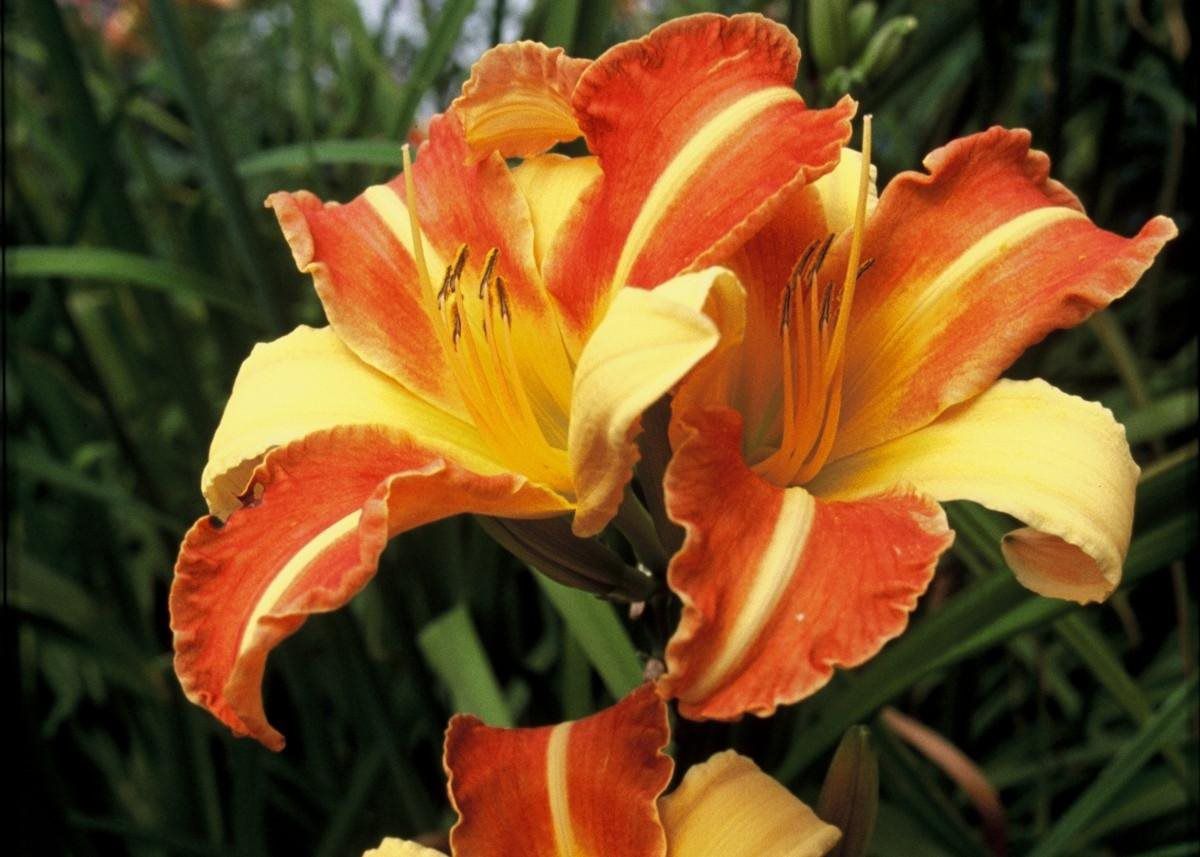

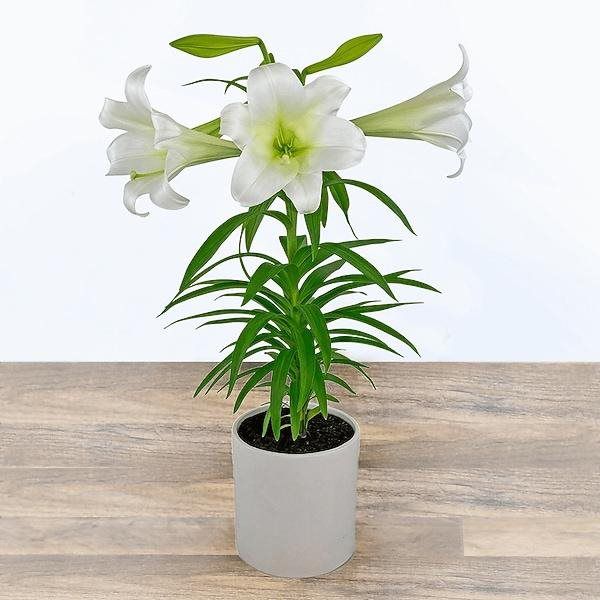
Lilies (Easter, Tiger, Asiatic, Daylily)
Why they're dangerous: Even small amounts of pollen, leaves, petals, or vase water can cause acute kidney failure in cats.
Symptoms:
Vomiting
Loss of appetite
Lethargy
Kidney failure
Precautions:
Do not keep lilies anywhere in a home with cats.
Be cautious with bouquets, as florists often include lilies.
If pollen gets on a cat's fur, wash it off immediately and contact a veterinarian
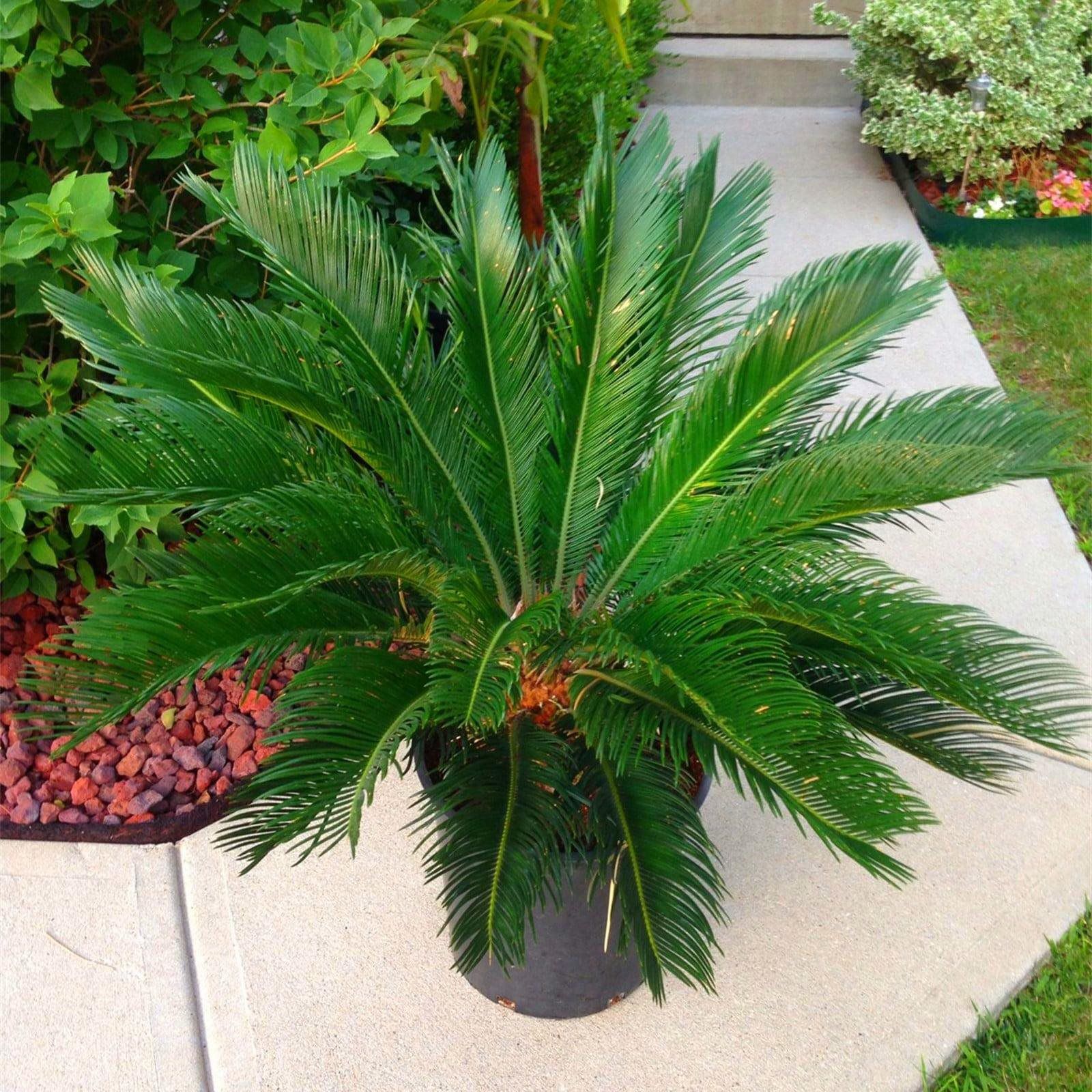
Sago Palm
Why it's dangerous: One of the most toxic ornamental plants. Seeds are especially poisonous and can cause liver failure.
Symptoms:
Vomiting
Diarrhea
Seizures
Liver damage
Precautions:
Remove entirely from homes and yards accessible to cats.
Oleander
Why it's dangerous: Contains cardiac glycosides that affect the heart.
Symptoms:
Drooling
Vomiting
Abnormal heart rhythm
Collapse
Precautions:
Avoid planting where pets may roam.
Wear gloves when pruning.
Rhododendron (All Types, Including Azaleas)
Why it's dangerous: All species of rhododendrons and azaleas contain grayanotoxins, which interfere with normal nerve and muscle function. Even a small amount of the leaves, flowers, stems, or nectar can be toxic to cats and may affect the digestive, nervous, and cardiovascular systems.
Symptoms:
Excessive drooling
Vomiting
Diarrhea
Weakness or lethargy
Loss of coordination
Low blood pressure
Slow or irregular heart rate
Tremors or seizures (in severe cases)
Precautions:
Avoid planting rhododendrons or azaleas in areas where cats have access.
Keep cut flowers and trimmings out of reach, as wilted leaves and flowers remain toxic.
Regularly remove fallen leaves and blossoms from your yard or garden.
If you suspect your cat has chewed any part of a rhododendron or azalea, contact your veterinarian immediately, as prompt treatment can significantly improve the outcome.
Common Houseplants Toxic to Cats

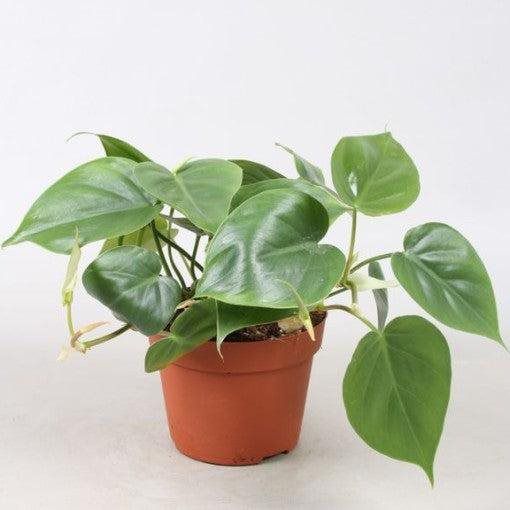
Pothos
Why it's dangerous: Contains calcium oxalate crystals.
Symptoms:
Mouth irritation
Drooling
Pawing at the mouth
Precautions:
Hang out of reach or replace with cat-safe alternatives.
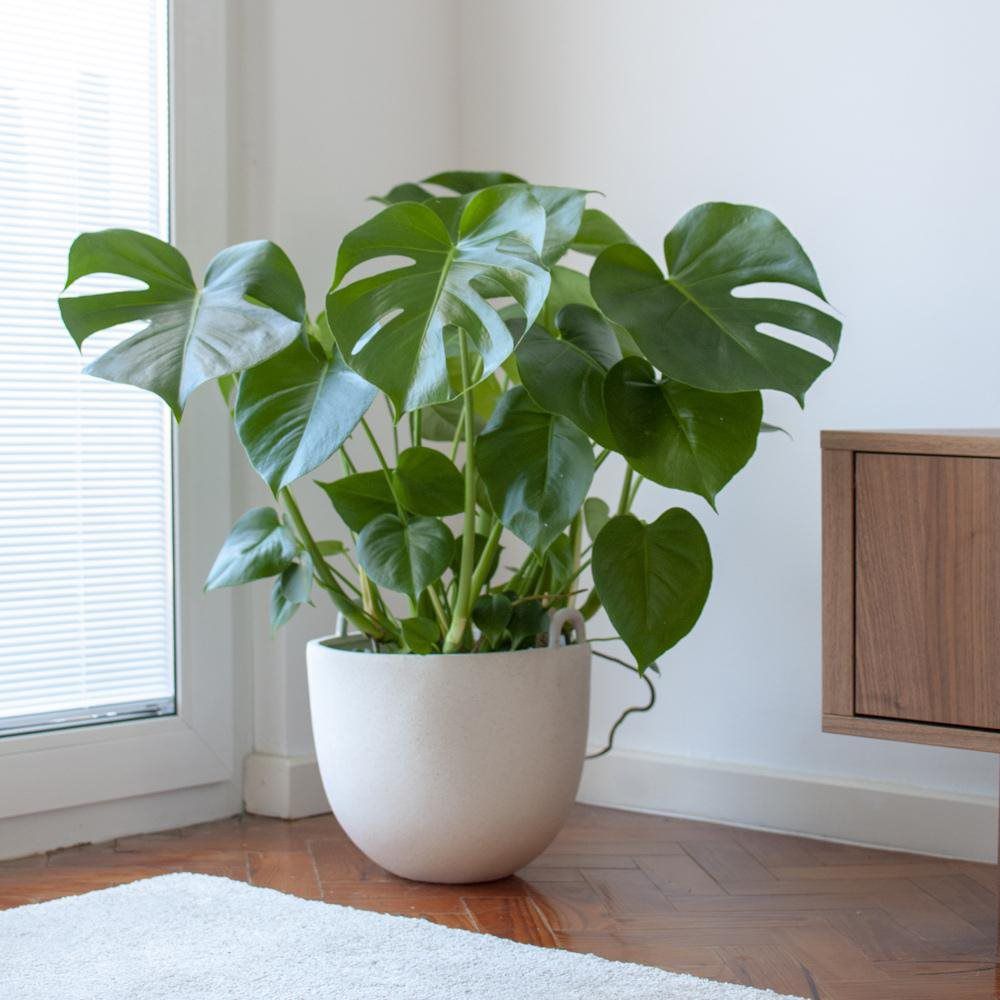
Monstera deliciosa
Why it's dangerous: Contains irritating crystals.
Symptoms:
Oral irritation
Drooling
Difficulty swallowing
Precautions:
Keep in rooms inaccessible to cats.
Philodendron
Why it's dangerous: Similar crystal-based irritation.
Symptoms:
Mouth pain
Swelling
Drooling
Precautions:
Use shelves or enclosed plant cabinets.
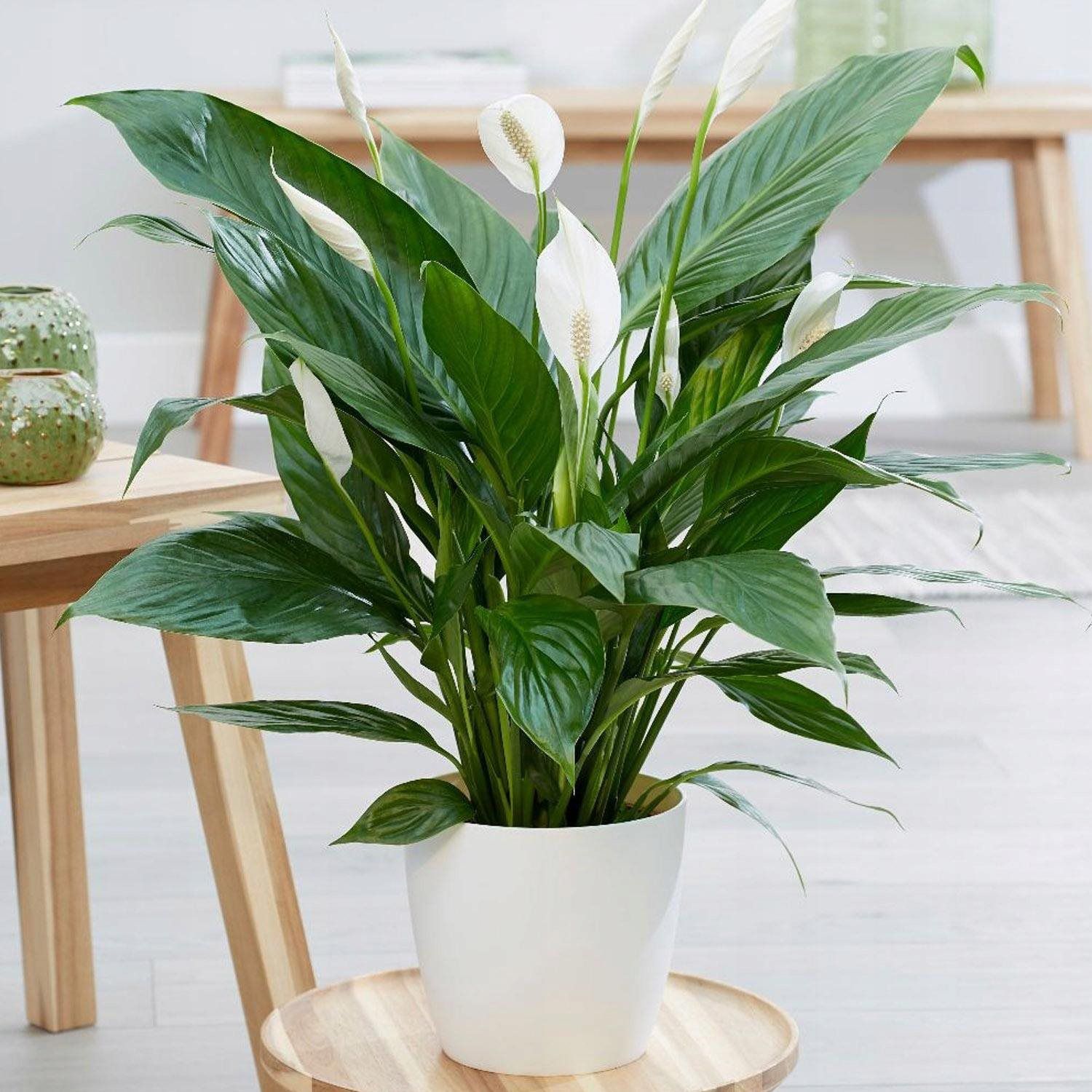
Peace Lily
Why it's dangerous: Causes oral irritation (not kidney failure like true lilies).
Symptoms:
Drooling
Mouth discomfort
Vomiting
Precautions:
Keep away from curious cats.
Flowering Plants Toxic to Cats

Tulip
Why it's dangerous: Bulbs contain the highest concentration of toxins.
Symptoms:
Vomiting
Diarrhea
Drooling
Precautions:
Prevent cats from digging in bulb gardens.
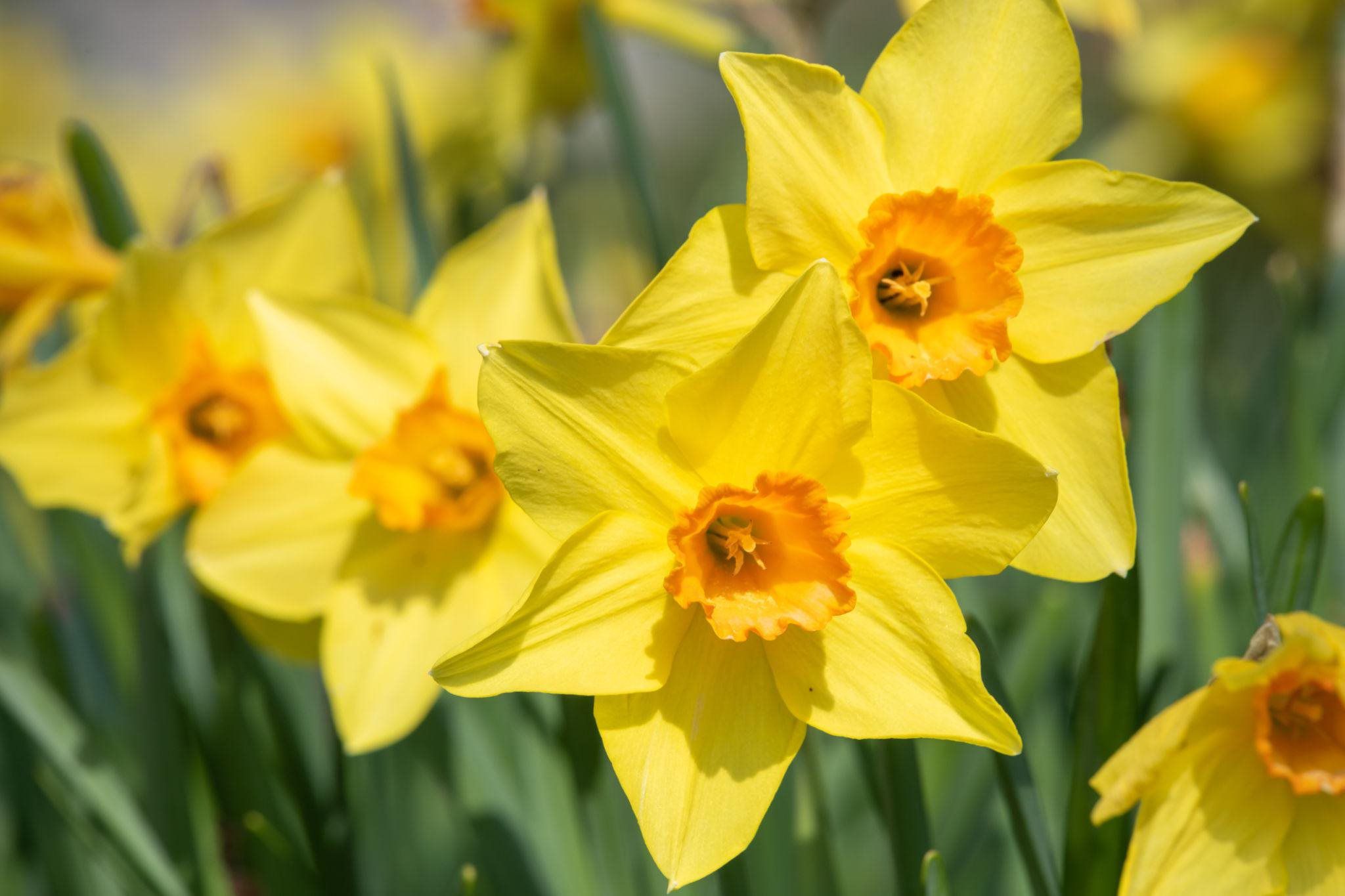
Daffodil
Why it's dangerous: Bulbs are particularly toxic.
Symptoms:
Vomiting
Abdominal pain
Tremors
Precautions:
Store bulbs securely before planting.
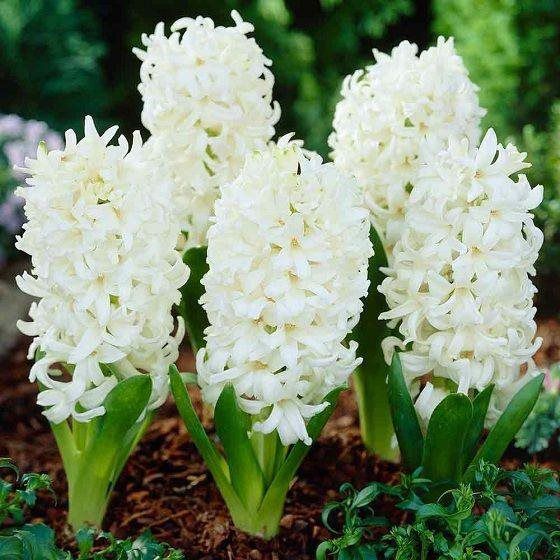
Hyacinth
Why it's dangerous: Toxic compounds concentrated in bulbs.
Symptoms:
Digestive upset
Drooling
Lethargy
Precautions:
Fence off garden beds if cats have access.
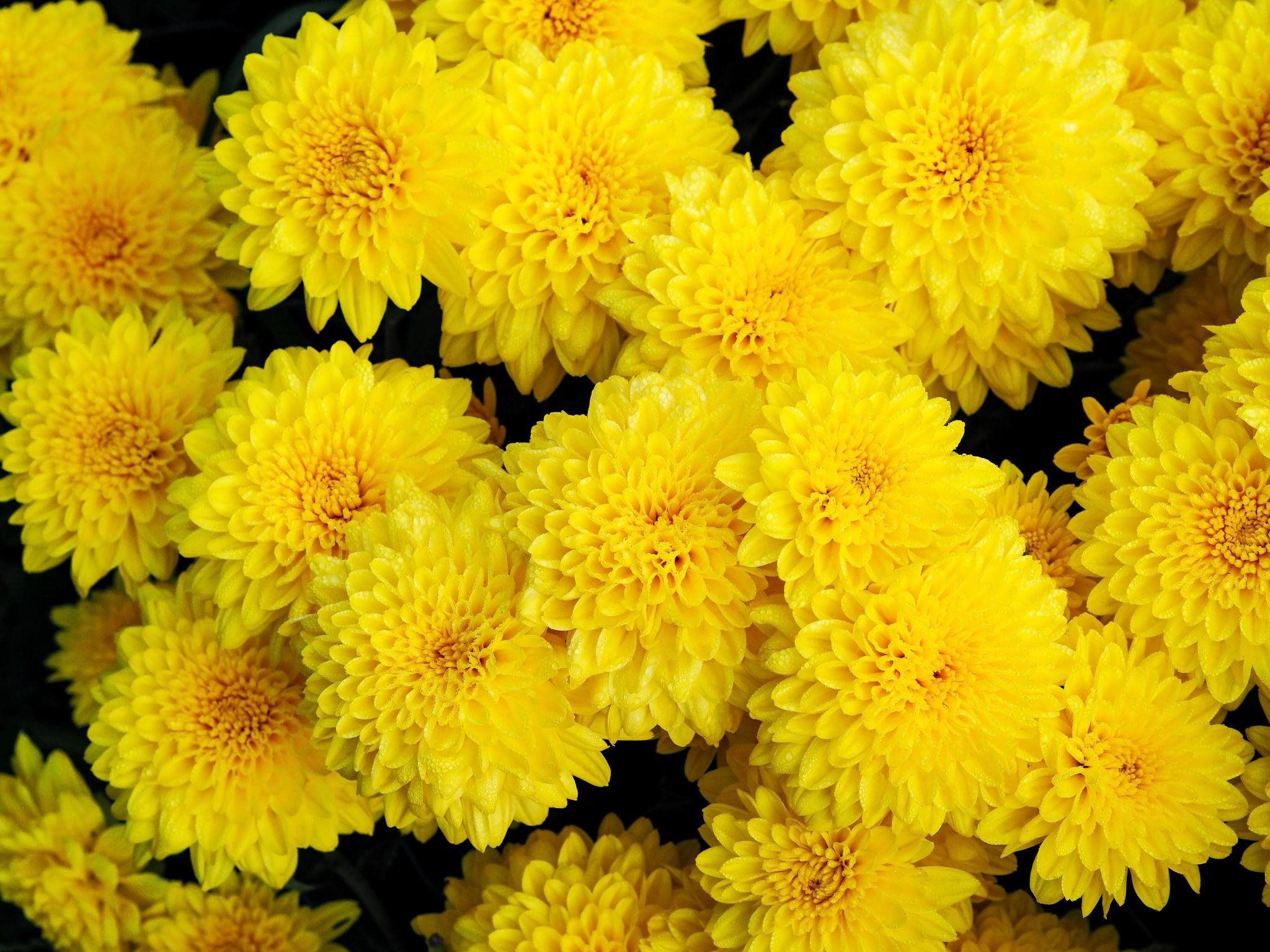
Chrysanthemum
Why it's dangerous: Contains pyrethrins and related compounds.
Symptoms:
Drooling
Vomiting
Coordination issues
Precautions:
Keep bouquets out of reach.
Other Common Toxic Plants
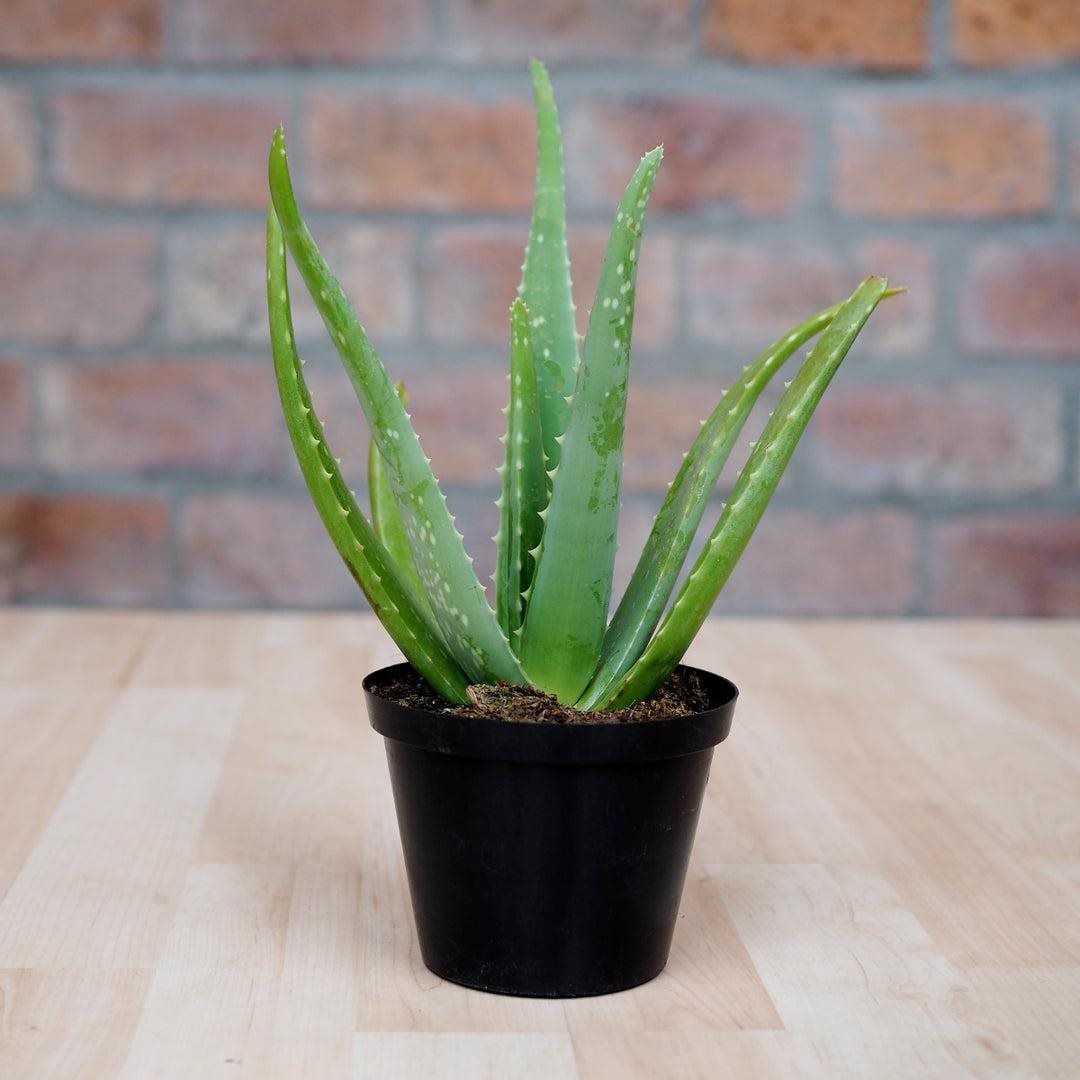
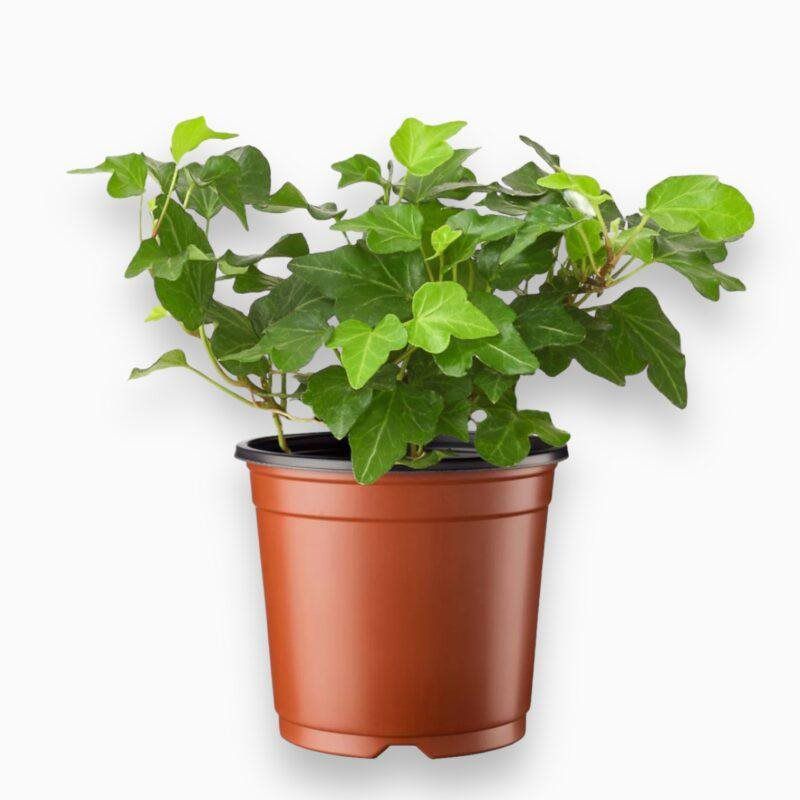
Aloe Vera
Why they're dangerous: Contains saponins and anthraquinones, which can irritate a cat's digestive system and cause gastrointestinal distress when ingested.
Symptoms:
Vomiting
Diarrhea
Lethargy
Loss of appetite
Precautions:
Place in inaccessible areas to cats.
Remove chewed leaves immediately.
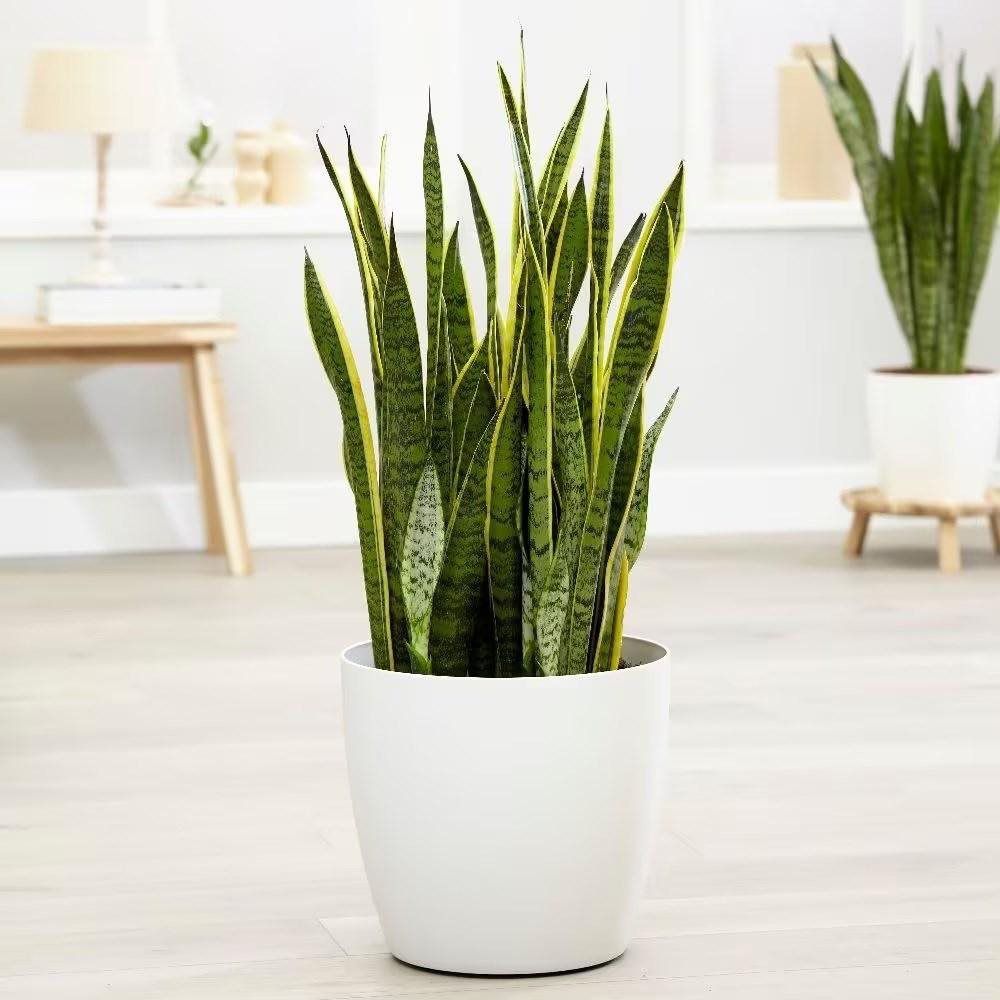
Snake Plant (Sansevieria trifasciata)
Why it's dangerous: Contains saponins, natural chemicals that are toxic to cats and can cause digestive upset if leaves are chewed or swallowed.
Symptoms:
Nausea
Drooling
Vomiting
Diarrhea
Precautions:
Keep on high shelves or in rooms cats cannot access.
Monitor cats that show interest in chewing plants.
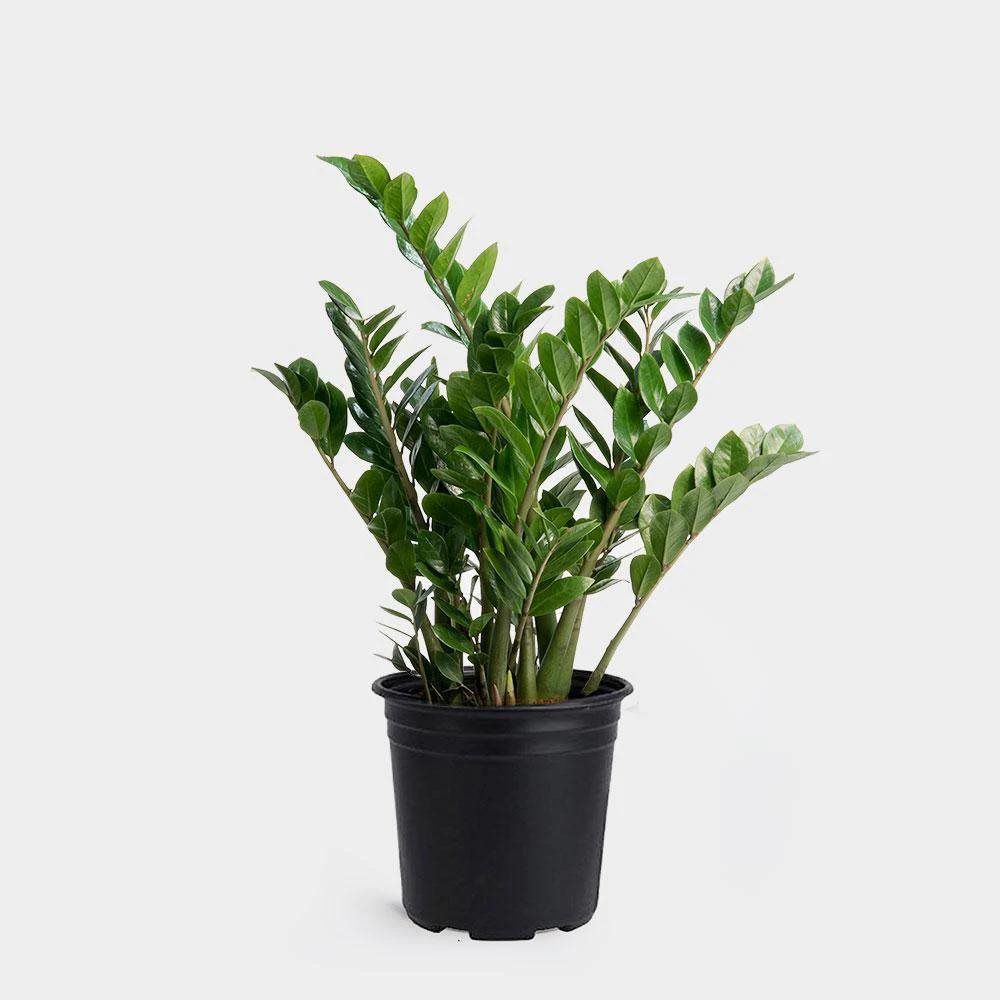
ZZ Plant (Zamioculcas zamiifolia)
Why it's dangerous: Contains insoluble calcium oxalate crystals that can irritate the mouth, tongue, throat, and digestive tract when chewed.
Symptoms:
Oral irritation
Excessive drooling
Pawing at the mouth
Vomiting
Precautions:
Keep out of reach of cats.
Wear gloves when handling if sensitive to plant sap.
English Ivy
Why it's dangerous: Contains triterpenoid saponins that can irritate the digestive tract and mucous membranes when ingested.
Symptoms:
Vomiting
Abdominal Pain
Drooling
Diarrhea
Precautions:
Avoid hanging ivy where cats can reach trailing vines.
Regularly trim vines and remove fallen leaves.
Cat-Safe Alternatives
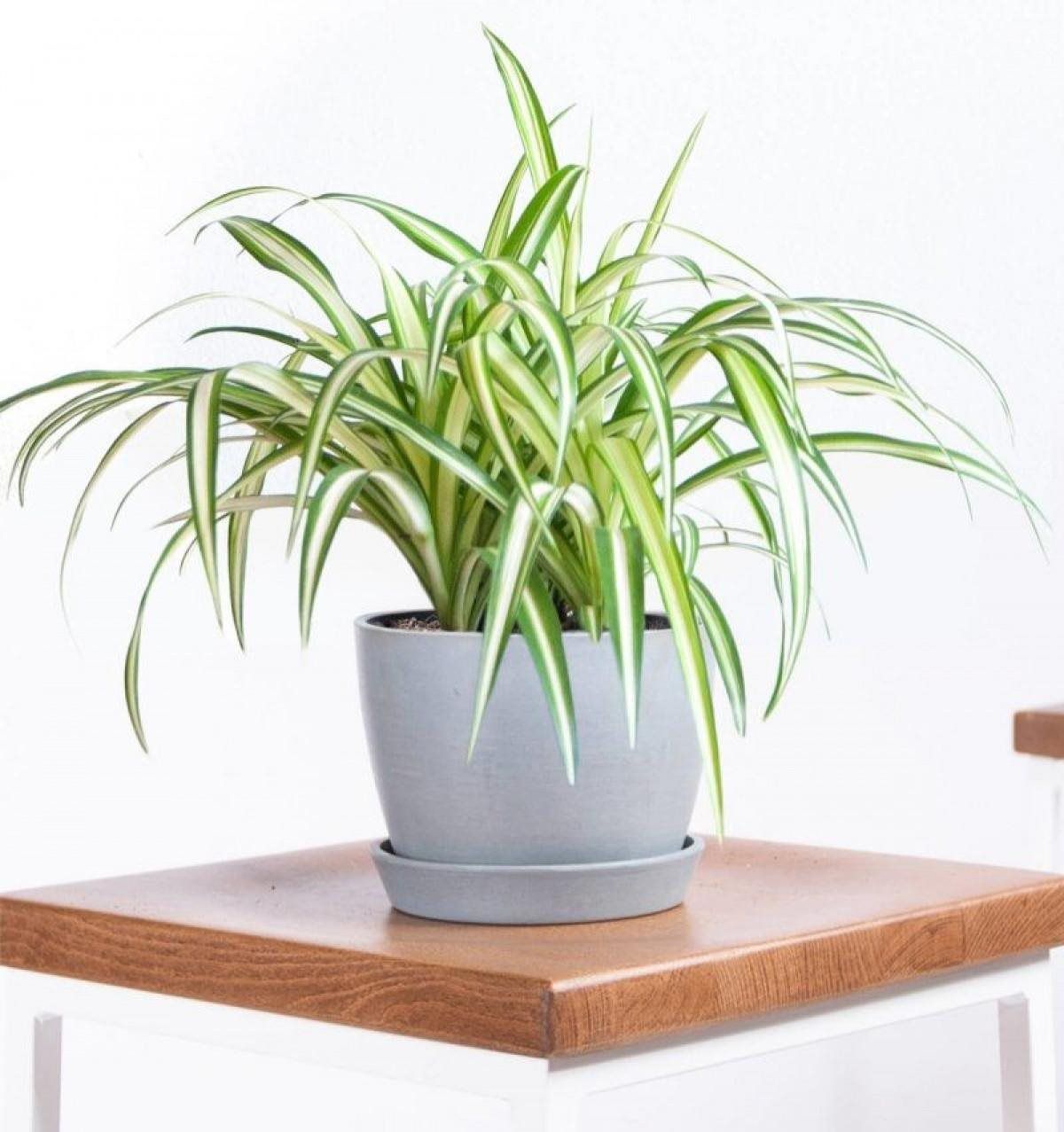
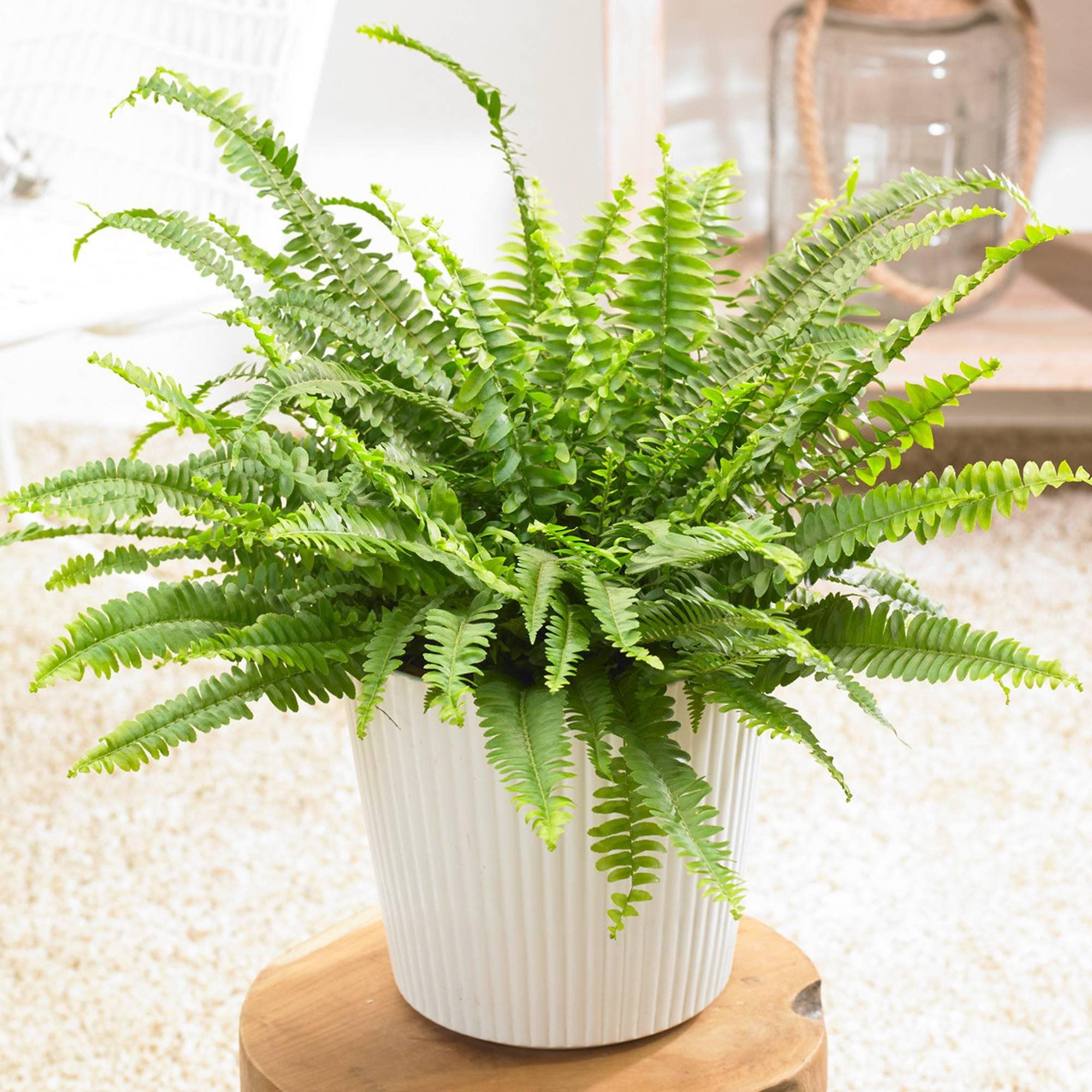
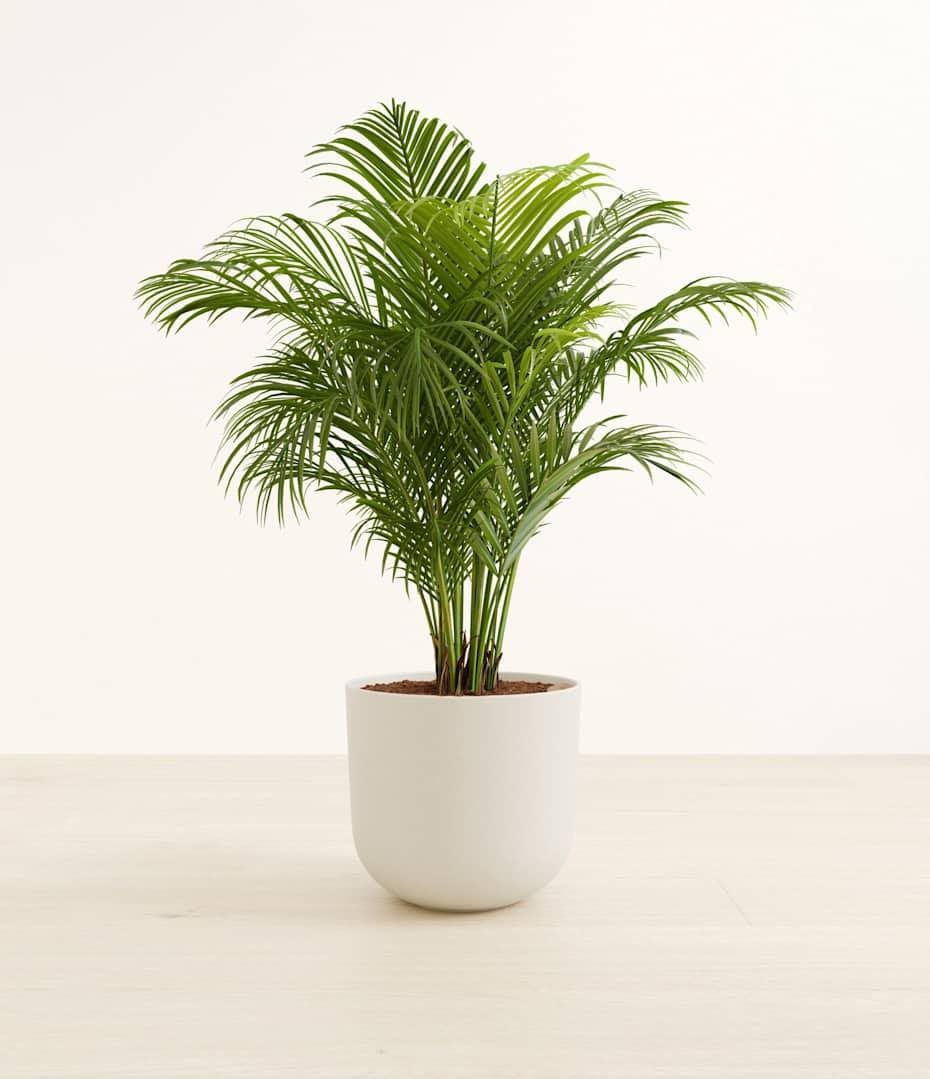
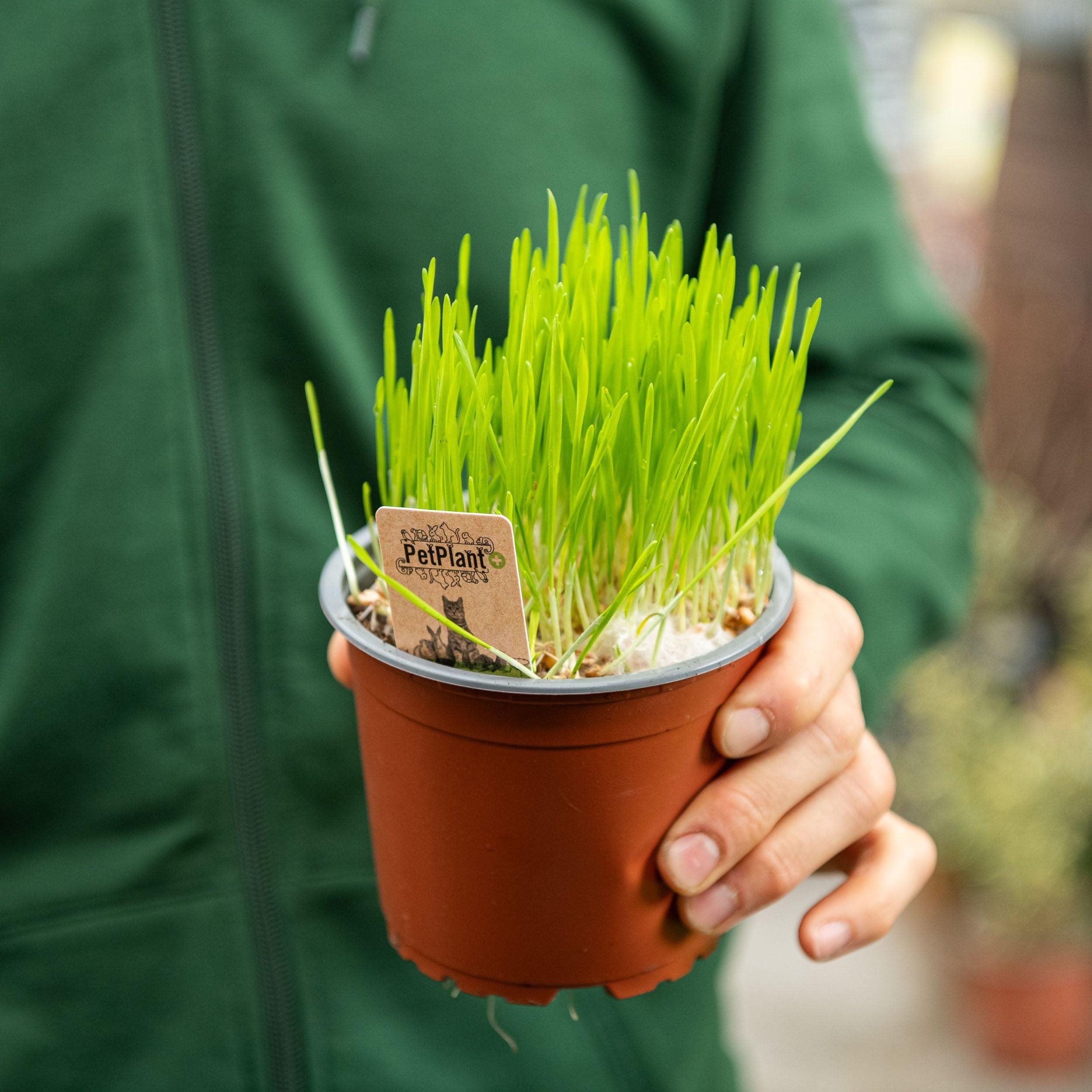
If you'd like greenery around your cats, consider:
Spider Plant
Boston Fern
Areca Palm
Cat Grass
General Safety Tips
Assume any unknown plant could be toxic until verified.
Keep bouquets away from cats, especially if they contain lilies.
Clean fallen leaves, petals, and pollen promptly.
Use hanging baskets or enclosed plant cabinets for questionable plants.
If you suspect ingestion, contact your veterinarian or the ASPCA Animal Poison Control Center immediately.
Emergency note: If a cat is exposed to a lily, treat it as a medical emergency, even if symptoms have not yet appeared. Early treatment can be lifesaving.